zinc copper nickel alloys
Industry News

Zinc copper nickel alloy

Views : 919
Update time : 2023-12-27 10:20:07

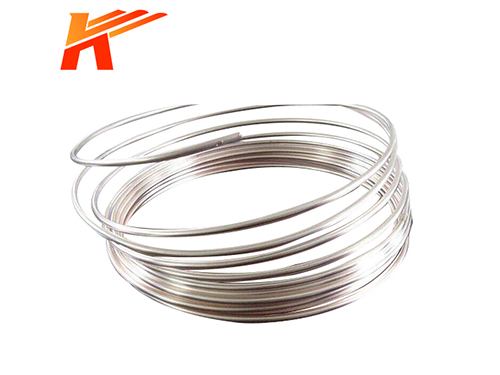
  A zinc-copper-nickel alloy, often referred to as nickel silver or German silver, is a metallic alloy that contains varying proportions of zinc, copper, and nickel. Despite its name, nickel silver does not actually contain silver. The typical composition of nickel silver alloys includes:

  Copper (Cu): Copper is the primary component, providing the alloy with its reddish or yellowish color. It also contributes to the alloy's conductivity and corrosion resistance.

  Nickel (Ni): Nickel is added to enhance certain properties of the alloy, such as its strength, ductility, and resistance to corrosion. Nickel also helps achieve a silvery appearance.

  Zinc (Zn): Zinc is added to improve the alloy's castability, hardness, and strength. It also plays a role in determining the alloy's color.

  Some key characteristics and applications of zinc-copper-nickel alloys include:

  Color: Nickel silver has a silvery appearance, resembling silver. The actual color can vary depending on the specific proportions of copper, nickel, and zinc in the alloy.

  Corrosion Resistance: Nickel silver exhibits good corrosion resistance, making it suitable for applications where exposure to the elements is a concern.

  Machinability: The alloy is relatively easy to machine, allowing for the production of intricate components.

  Strength and Ductility: Nickel silver combines strength and ductility, making it suitable for various applications in which these mechanical properties are important.

  Electrical Conductivity: While not as conductive as pure copper, nickel silver still possesses reasonable electrical conductivity. It is often used in electrical connectors and components.

  Antimicrobial Properties: Some nickel silver alloys have demonstrated antimicrobial properties, which can be advantageous in applications where hygiene is critical.

  Decorative and Ornamental Uses: Nickel silver's attractive appearance makes it a popular choice for decorative items, such as silverware, jewelry, musical instruments (e.g., saxophones), and decorative hardware.

  Coinage: Historically, nickel silver was used in the production of coins, although this is less common today due to its susceptibility to tarnish.

  It's important to note that there can be variations in the specific composition of zinc-copper-nickel alloys, and different formulations may exhibit slightly different properties. The choice of alloy composition depends on the desired characteristics for a particular application. Additionally, the term "nickel silver" can be somewhat misleading, as these alloys do not contain silver despite their silvery appearance.

zinc copper nickel alloys

Related News
Read More >>
Brass Round Rod Fabrication: Process, Benefits, and Industrial Applications Brass Round Rod Fabrication: Process, Benefits, and Industrial Applications
Apr .24.2026
Brass round rod fabrication is a critical process in modern manufacturing, widely used to produce precision components for industries such as construction, automotive, electronics, and plumbing.
Copper Pancake Coil: Features, Manufacturing Process, and Industrial Applications Copper Pancake Coil: Features, Manufacturing Process, and Industrial Applications
Mar .06.2026
Copper pancake coil is a specialized copper product widely used in refrigeration, air conditioning, and HVAC systems.
E-Cu58 Copper Tube Supplier: High-Quality Copper Solutions for Industrial Applications E-Cu58 Copper Tube Supplier: High-Quality Copper Solutions for Industrial Applications
Feb .11.2026
An E-Cu58 copper tube supplier plays a crucial role in providing reliable, high-purity copper tubing for various industrial and commercial applications.
Reliable Manganese Brass Wire Supplier for High-Performance Industrial Applications Reliable Manganese Brass Wire Supplier for High-Performance Industrial Applications
Jan .30.2026
Choosing a professional manganese brass wire supplier is essential for manufacturers that demand strength, durability, and consistent material quality.